Edward Jay Wang, PhD
Researcher / Educator/ Entrepreneur
Associate Professor UCSD ECE & Human Centered Design
Jacobs Faculty Chair in Entrepreneurship
CEO & Founder Billion Labs Inc.
National Institutes of Health Trailblazer | National Academy of Inventors Senior Member
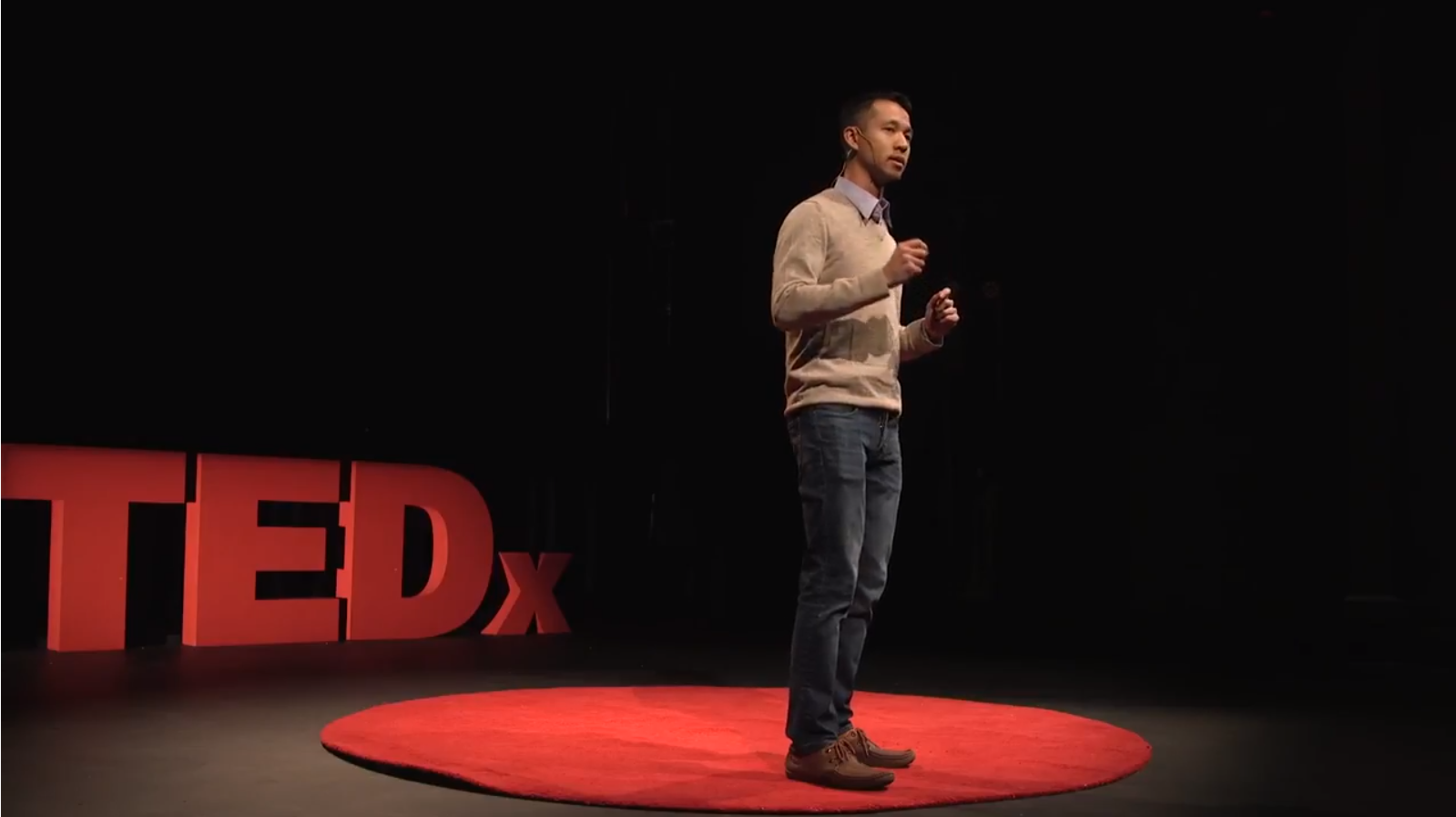
TEDxSJI: What if we can live in a world where we can track our health like the way we do with the weather?
Research Talk: The Next Billion Medical Devices (UChicago)

Research Talk: Elevating Access to Remote Health Monitoring Fairly (CMU HCII Seminar)

I am the Jacobs Faculty Chair in Entrepreneurship at UC San Diego in the Electrical and Computer Engineering department and the Design Lab as a jointly appointed Associate Professor with tenure. I am the PI of the UCSD Digital Health Technologies Lab. I am affiliated with the CSE department, Center for Wireless and Population Health Systems (CWPHS), Center for Wearable Systems (CWS), and serve as a Board of Director for the Center for Mental Health Technology (MHTech). I am also the Founder of two digital health companies born out of technologies developed in my academic laboratory: Billion Labs Inc. (NIH Funded) and Motion Minder Inc.
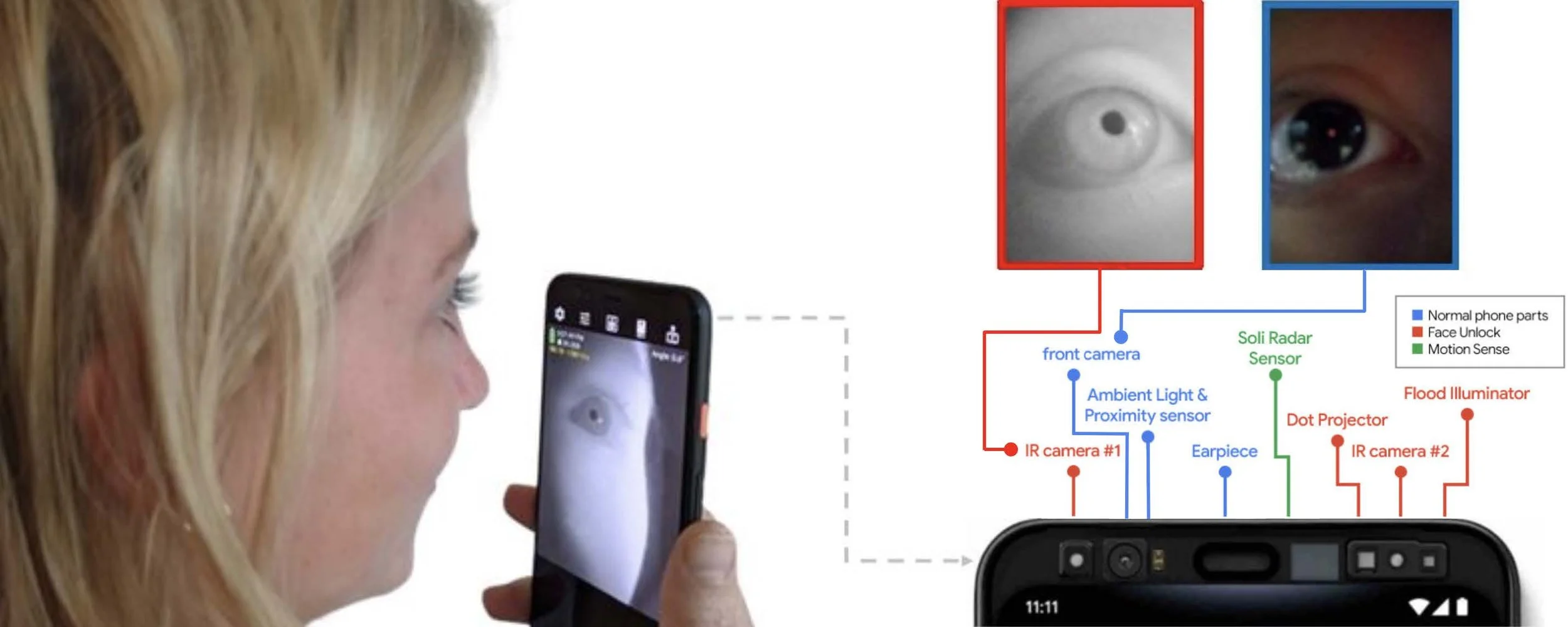
My research establishes point-of-need medical technologies as a bioengineering+design research domain focused on creating medical-grade physiological measurements where health concerns arise and care decisions must be made, rather than where clinical infrastructure happens to exist. This framing shifts the design challenge from replicating clinical conditions elsewhere to understanding what measurements are needed, when they become critical, and what constraints shape how they can be obtained. Point-of-need sensing encompasses home monitoring during chronic disease management, community screening in underserved areas, perioperative care as patients transition between hospital and home, and maternal-child health support following discharge. In these contexts, measurements must accommodate diverse users with varying technical literacy, function across inconsistent environmental conditions, and operate without stable power, controlled settings, or trained personnel.
Point-of-need is fundamentally distinct from both clinical point-of-care testing and consumer health tracking. Point-of-care devices operate within healthcare facilities with trained personnel; consumer wellness devices prioritize trends over clinical accuracy. Point-of-need sensing requires clinical-grade rigor while functioning in uncontrolled environments with non-expert users, a design space demanding a new approach. This is not an engineering optimization problem but a design research challenge requiring understanding stakeholder needs beyond measurement specifications where we need to generate solutions within severe resource constraints and validate systems when embedded in complex social and environmental contexts.
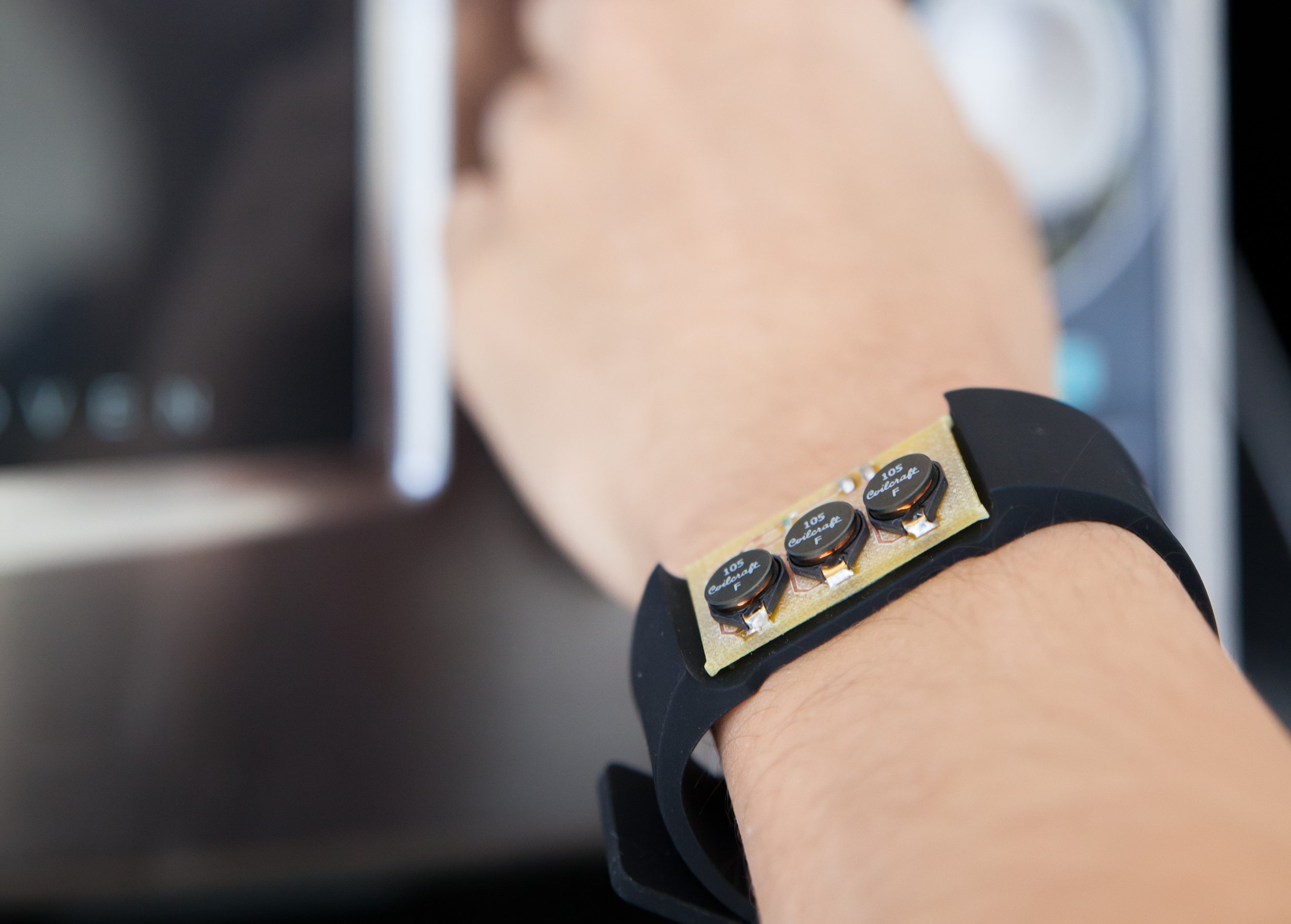
I pursue this through three complementary approaches: (1) designing sensing artifacts that appropriate existing consumer technologies and create novel wearable form factors; (2) understanding how sensing technologies are adopted and adapted in real deployment contexts; and (3) developing methods, representations, and design principles that support robust point-of-need sensing across diverse populations. As Associate Professor at UC San Diego (joint ECE/Design Lab), I direct the Digital Health Technologies Lab with collaborations spanning cardiology, psychiatry, geriatrics, anesthesiology, and gastroenterology. My work has produced 39 publications receiving 9 paper awards and led to two companies translating research toward clinical adoption.
My work has been published in top tier venues such as Nature family journals (npj Digital Medicine, Scientific Reports), ACM (Ubicomp, IMWUT, CHI, UIST, ISWC), and IEEE (Pervasive Computing, EMBC), cumulating 9 paper awards for our contributions to the field of digital health. I have been awarded an NIH Trailblazer, NAE Frontiers of Engineering Speaker, Google Research Faculty Fellow, Norman Foundation Design Laureate, and an NSF Graduate Fellow. The work in my group is made possible by generous funding from the National Institute of Health, National Science Foundation, American College of Cardiology, and Google Research.
Contact me at: ejaywang {at} ucsd {dot} edu
Most current statements: Research | Teaching